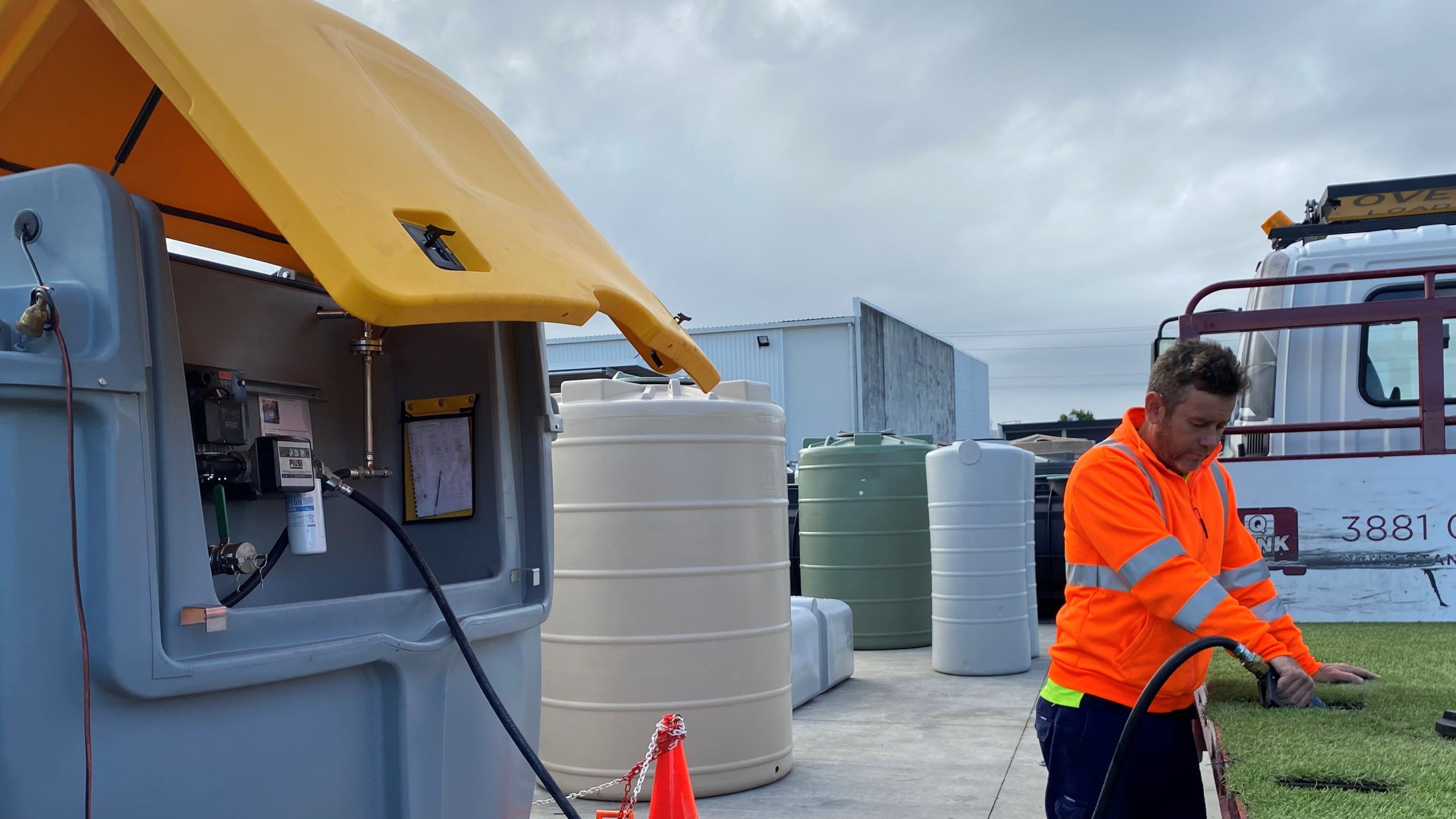
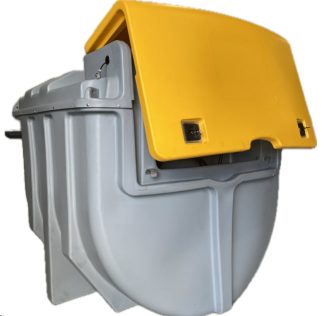
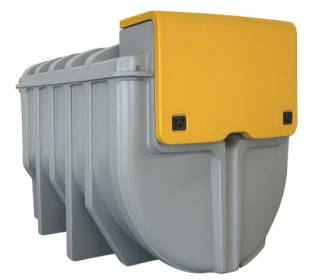
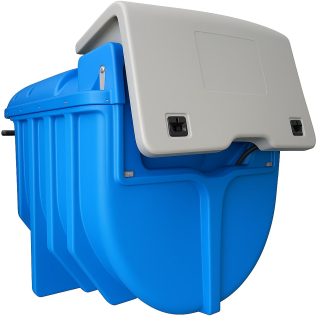
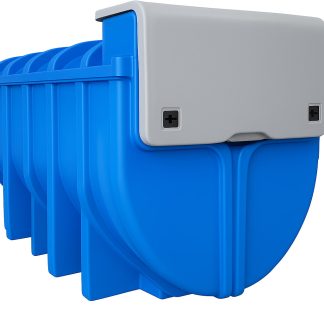
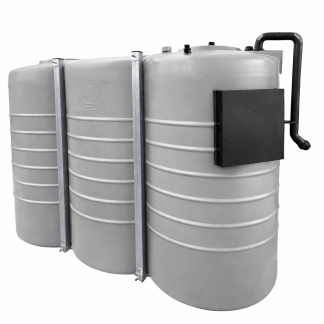
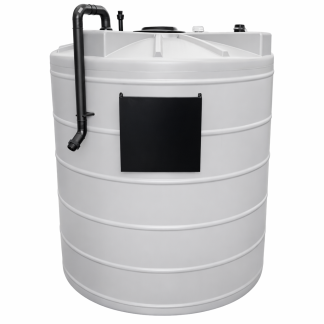
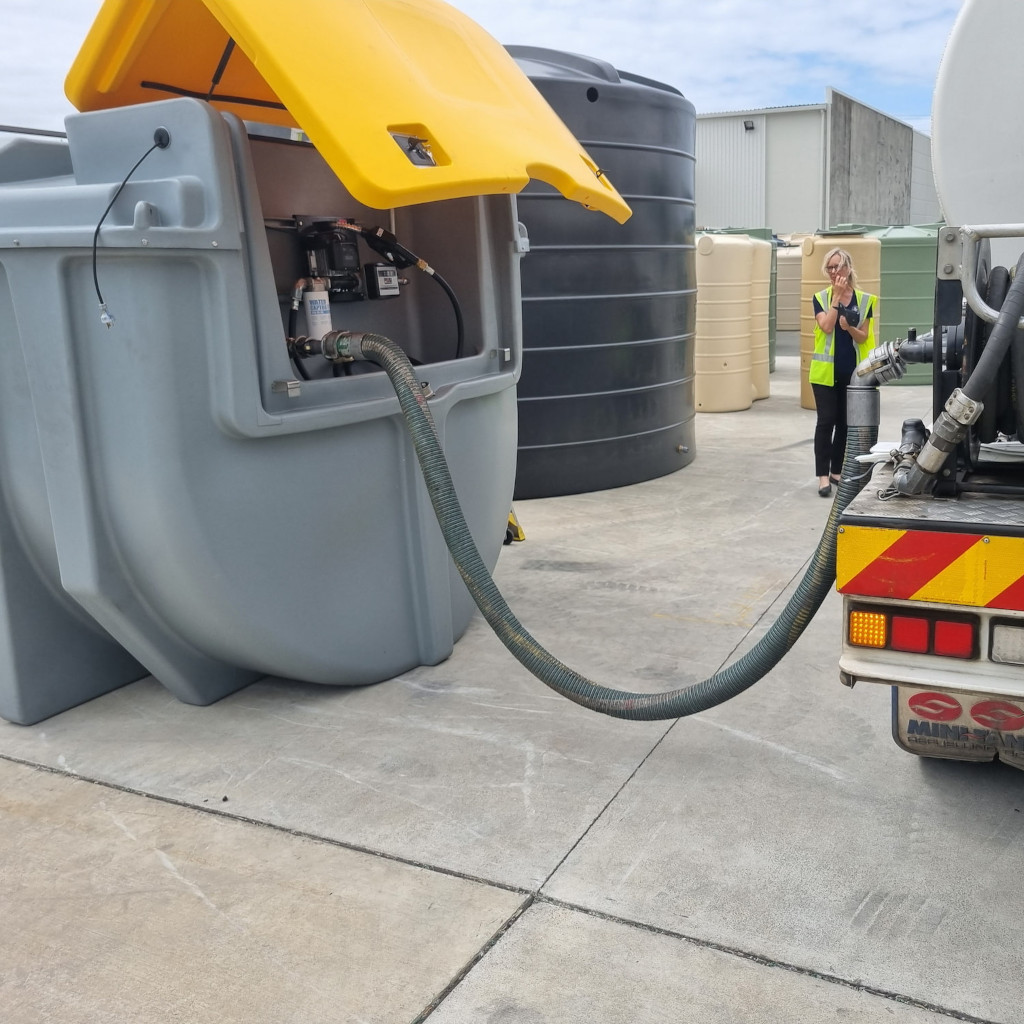
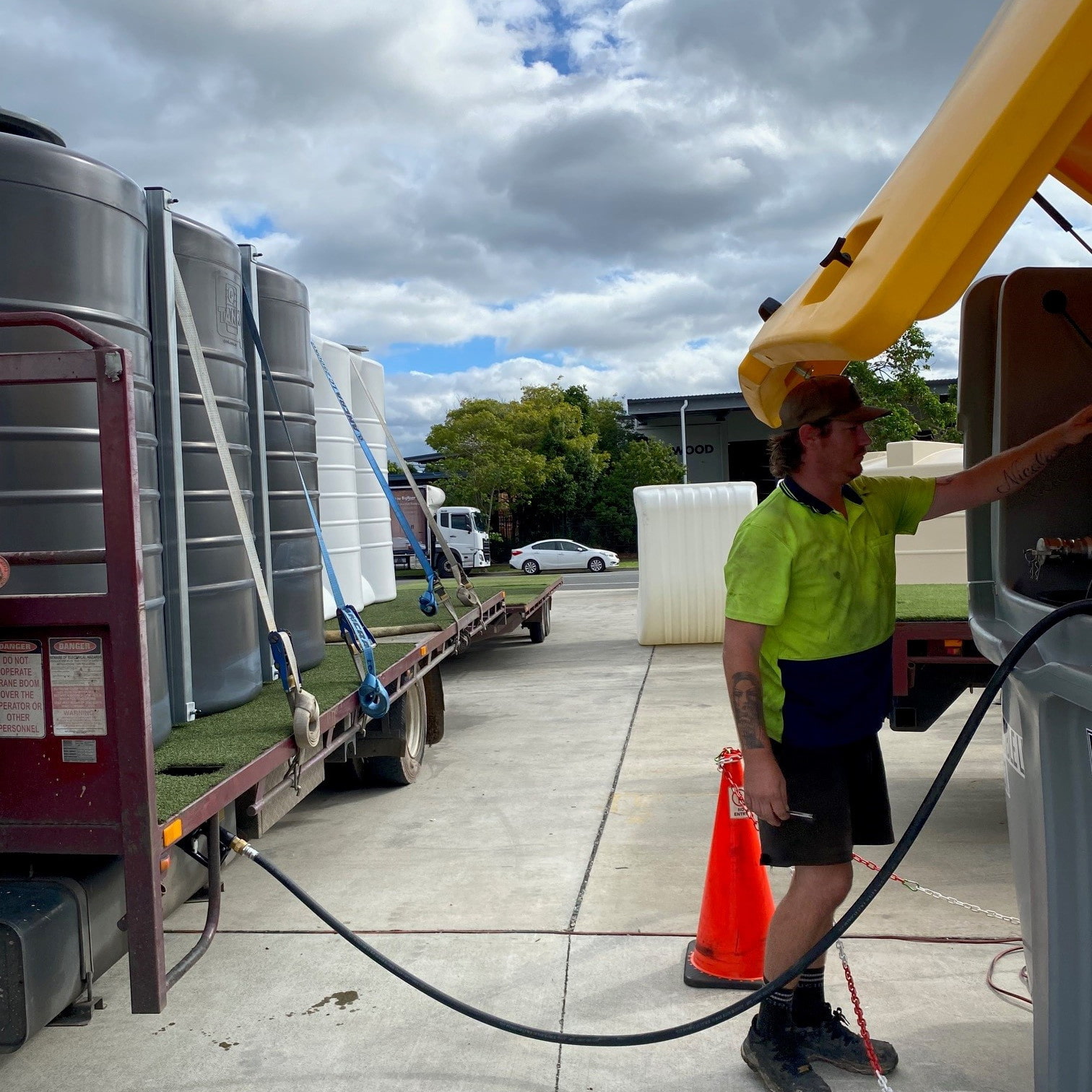
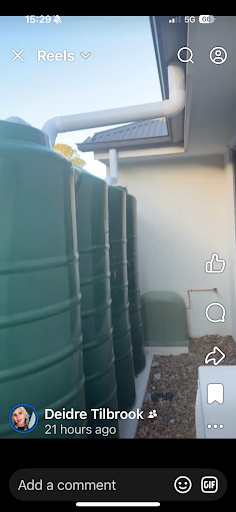
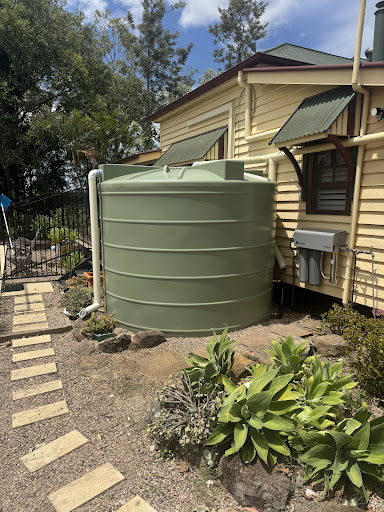
A poly diesel tank and a steel fuel tank both get the job done for on-site diesel storage, but there are some real-world differences worth knowing. Our bunded tanks won’t rust or corrode, even if you’re working around fertiliser, farm chemicals, or salty coastal air. They’re lighter and much easier to move or relocate between sites, so if your storage needs change or you’re running civil works, a poly tank can be a big help.
Steel tanks are strong but a lot heavier, and they need more site prep to install. You also have to keep an eye on rust and repainting, which means more time and money on maintenance. Both tank types can be bunded, but with our poly tanks, the bund is built in as standard. Poly is also low maintenance (no rust, no flaking paint), just a visual check and the odd clean.
For most sites needing 5,000L or 10,000L of above ground diesel storage, a bunded poly tank is usually more cost effective, easier to set up, and just less hassle in the long run. When you’re finished, poly tanks are also recyclable, while steel tanks often need more complicated disposal.
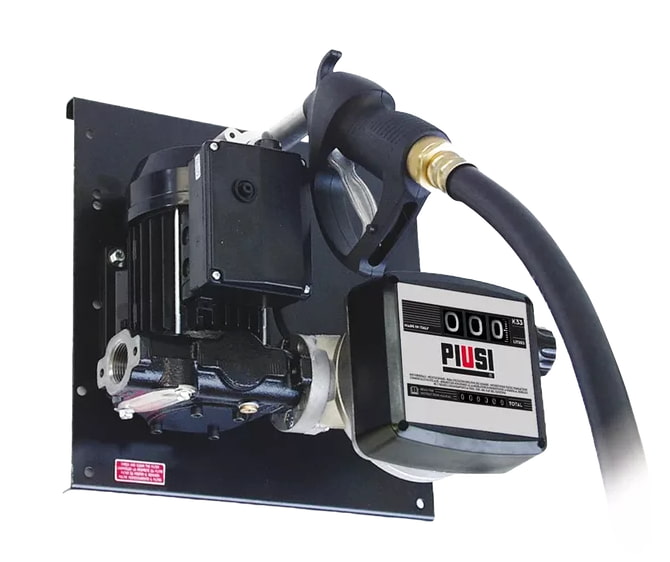
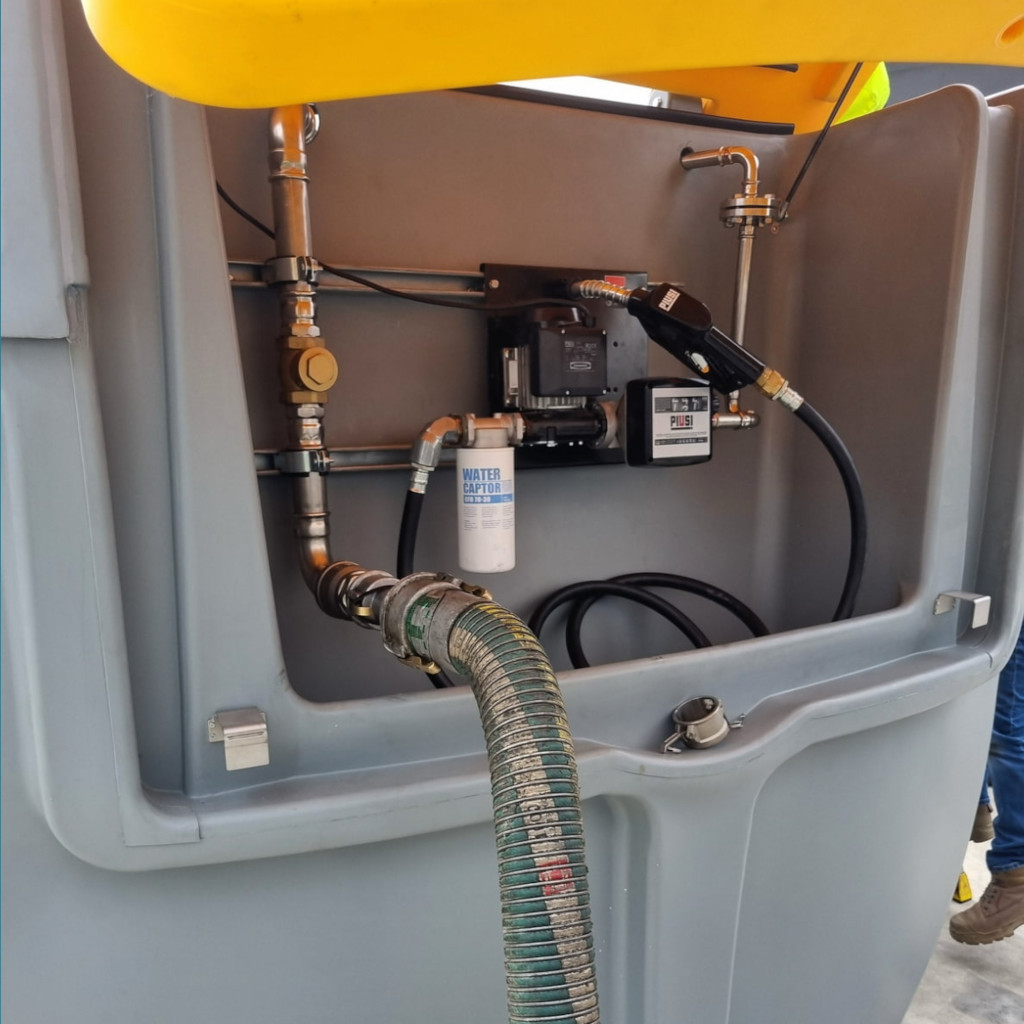
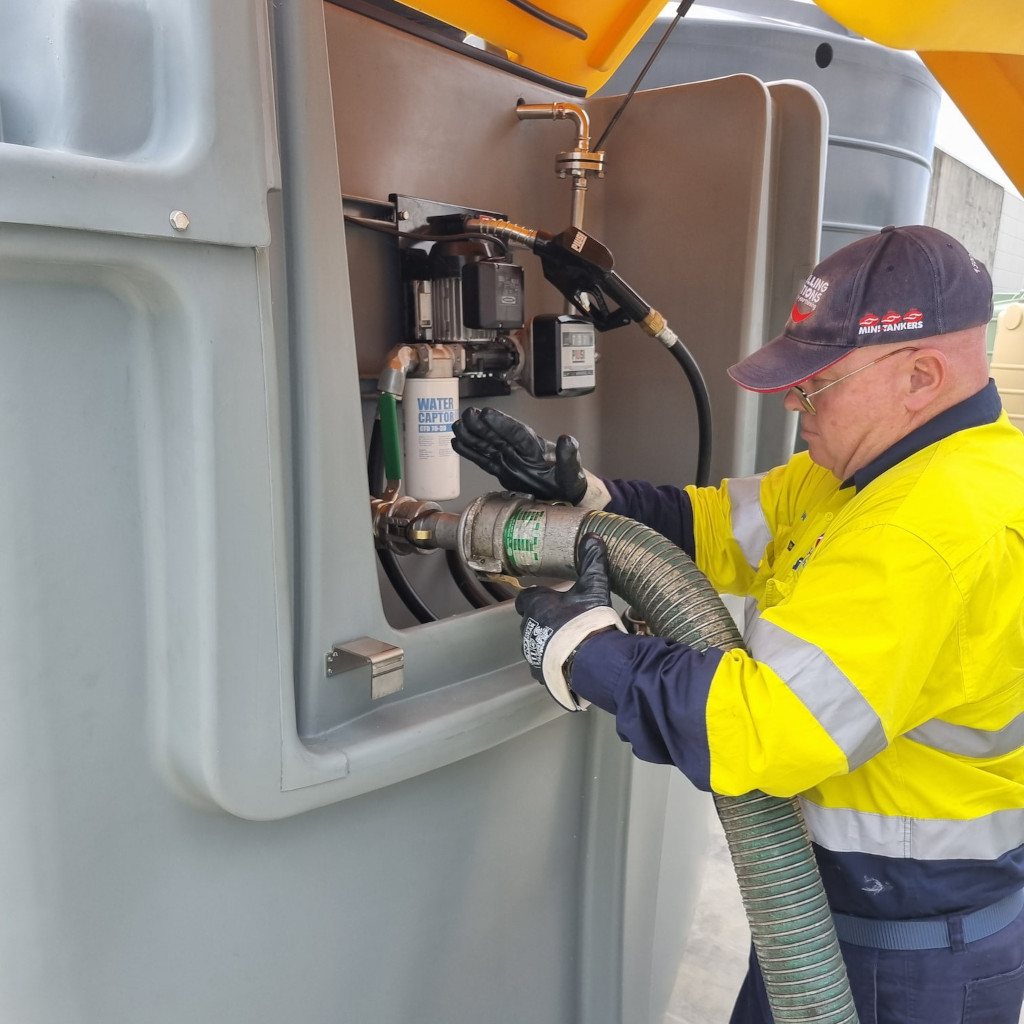
Our bunded poly tanks sit at the premium end of our range, combining storage, bunding and dispensing gear in one unit. If you already have a compliant bunded bay and only need a tank, our single-skin diesel and single-skin AdBlue poly tanks are a more economical alternative.
- Poly tanks handle farm chemicals and coastal air without rust or corrosion
- Lighter and easier to transport, install and relocate between sites
- Low maintenance – no repainting or rust checks needed
- Self-bunded design comes standard with our poly tanks
- Cost effective option for 5,000L or 10,000L on-site diesel storage
- Recyclable at end of life